3 ways the modern prescription experience is starting to look more like modern commerce
New direct-to-patient prescription models are emerging as consumers demand the same convenience, transparency, and digital control they experience in other industries.
 By: Prescryptive Health
Direct-to-patient prescription models are no longer an early-stage adoption trend: Roughly three-quarters of pharma companies are building or planning these models, including some of the largest with best-in-class programs. Direct-to-patient initiatives are designed to simplify prescription access, improve affordability, and create more digital consumer experiences.
With some estimates saying that direct-to-patient models can drive 15%–25% of total prescription volume we could be at the cusp of a sea change in how prescription access is delivered in the United States. Often discussed as a pharmaceutical trend, these programs reflect a broader transformation in how patients expect healthcare experiences to work.
Healthcare consumers increasingly expect transparent pricing, digital tools, frictionless fulfillment, and fewer surprises, just like they already encounter in retail, banking, and e-commerce. Let’s look at how the prescription experience is becoming more like modern commerce.


Healthcare consumers increasingly expect prescription price transparency
Healthcare consumers express growing frustration around prescription costs and unpredictability.
A 2026 Harris Poll found that:
- 56% of patients reported challenges filling prescriptions
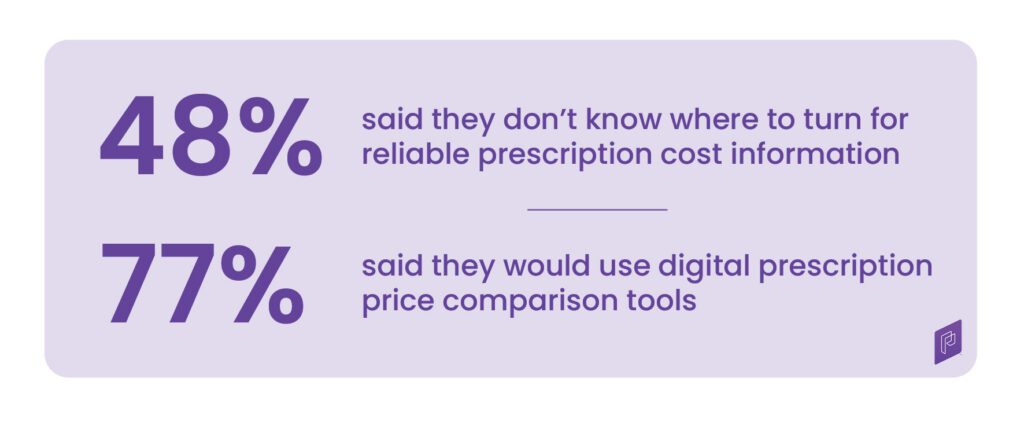
- 48% said they don’t know where to turn for reliable prescription cost information
- 77% said they would use digital prescription price comparison tools
- 1 in 4 patients abandoned a prescription because of cost
The survey highlights a growing expectation: People want to understand what a medication will cost before they arrive at the pharmacy counter. In fact, Prescryptive’s pharmacy study found that 90% of consumers would appreciate just that information.
At the same time, a recent Patient Experience Survey found that over half of insured Americans – 51% – cannot predict what their prescription drugs will cost.
That’s an important point. Patients aren’t only reacting to high prices. They’re reacting to uncertainty.

Consumers increasingly want digital control over prescriptions
Healthcare consumers are also becoming more digitally engaged in how they manage prescriptions and care decisions.
In a recent survey, 96% of adults said technology helped them fill and manage prescriptions. Meanwhile, McKinsey research shows healthcare consumers increasingly expect the same convenience, personalization, and digital accessibility they experience in other industries.
Consumers increasingly want:
- digital prescription management
- pricing visibility
- mobile pharmacy experiences
- streamlined fulfillment
- more control over where and how prescriptions are filled
The traditional prescription experience often wasn’t designed with these needs in mind. Direct-to-patient prescription models are part of the market’s attempt to close the gap.


Convenience is becoming part of the prescription experience
Convenience is also playing a growing role in how patients evaluate prescription access.
An ASOP Global Foundation survey from 2023 found that 52% of Americans have used an online pharmacy, a 17-point increase from 2020, reflecting the growing adoption of digital and home-delivery pharmacy experiences.
Research across the industry continues to show that convenience, transparency, and flexible fulfillment options are increasingly connected. Healthcare consumers likely want prescription experiences that are digital, easier to navigate and fit more naturally into daily life.
That includes:
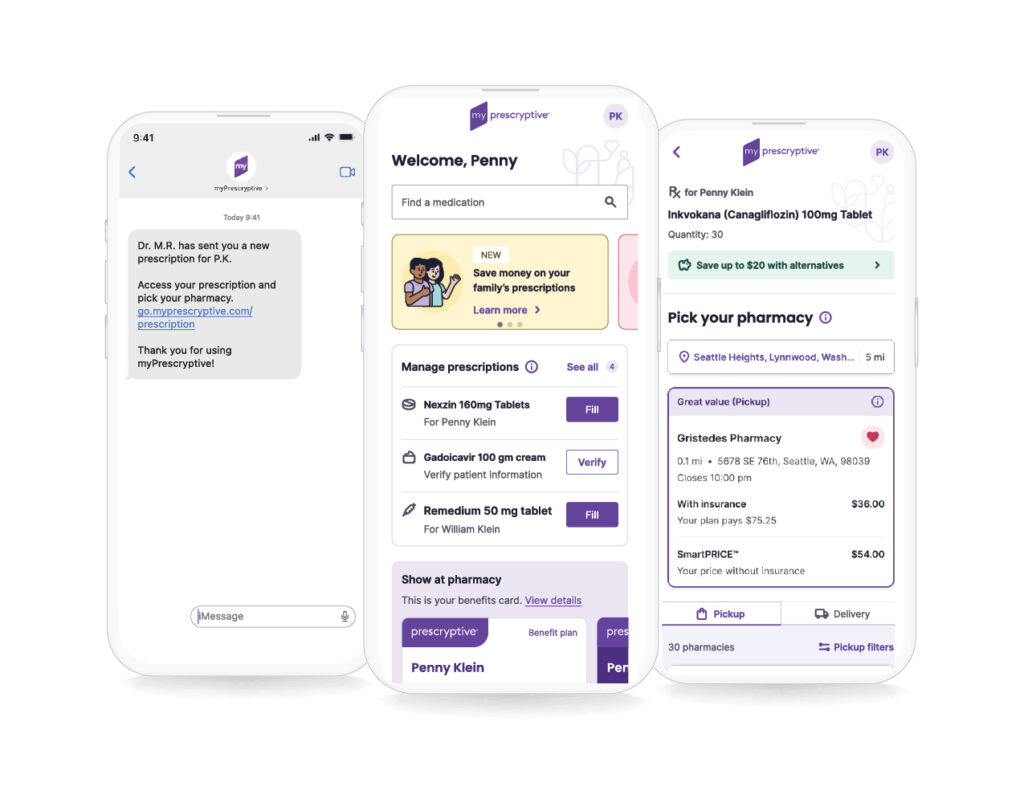
- digital shopping experience
- real-time pricing visibility
- cash vs. insurance comparison pricing
- pharmacy choice
- fewer administrative barriers
A fundamental shift in the prescription experience
Patients increasingly expect prescriptions to work more like modern commerce: digitally, transparently, and on demand. That shift has implications across the healthcare ecosystem.
Manufacturers are looking for better ways to connect patients to therapies. Employers and payers are under pressure to improve affordability and reduce friction. Pharmacies are seeking models that preserve patient choice and participation while supporting pharmacy profitability in the face of pharmacy deserts.
The prescription market is responding by becoming more direct, more digital, and more consumer-centered. That requires a direct access marketplace approach that removes traditional intermediaries in favor of neutral infrastructure, which can enable lower-cost pathways for patients.
At Prescryptive, we believe access improves when the healthcare ecosystem operates more like a connected marketplace and offers healthcare consumers more visibility, more choice, and more control over their prescription experience.